
· IKSUN
How to Choose Motorized and Manual Telescopic Curtain Tracks
Choosing a curtain track starts with the way it will be used, the installed dimensions and the mounting conditions. A motorized system suits automated or hard-to-reach curtains, while a manual telescopic track is useful when adjustable sizing and compact packing matter. The quotation can only be compared after the complete configuration is defined.
For importers, distributors and project contractors, the most useful quotation identifies exactly what will arrive, which installation conditions it supports and which costs remain outside the price.
1. Identify what the quoted price includes
Start by defining the product being purchased:
- An aluminium track profile, supplied as stock lengths or cut lengths.
- A manual curtain track assembly with its specified carriers and mounting accessories.
- A manual telescopic track with an agreed adjustment range and overlap.
- A motorized system with a specified motor, transmission components and controller.
- A track with integrated lighting and a matching lighting power supply.
These configurations have different bills of materials. A similar product photograph or model description does not establish that two quotations cover the same items.
Ask for a line-item list showing the rail, carriers, end stops, brackets, connectors and any drive or lighting components. Optional items should be priced separately.
2. Match the length and quantity units
Confirm whether the price is per metre, per piece, per complete curtain run or per carton. Then confirm the length associated with that unit.
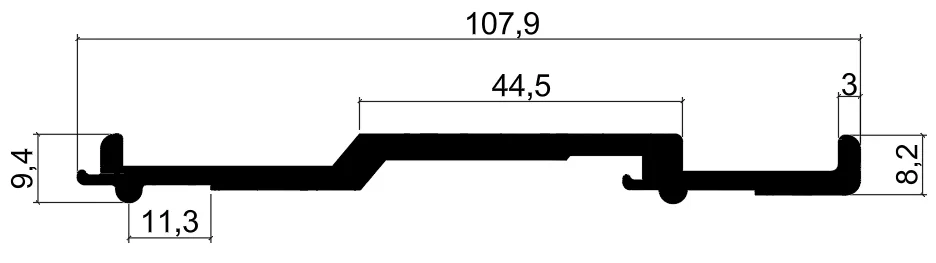
For a cut-to-length system, state the required finished track length and opening arrangement. For a telescopic system, request both the retracted and extended lengths, the minimum overlap and the permitted installed range for the selected configuration.
Also distinguish the curtain opening width from the ordered track length. Stack-back space, returns and the intended fixing position can affect the final drawing. Approve the dimensioned layout before production.
3. Compare load conditions, not isolated component numbers
A usable load specification needs installation conditions. Ask the supplier to confirm the curtain weight, installed length, bracket spacing, mounting surface and any bends or joints used in the configuration.
For motorized tracks, also confirm the motor model and its applicable operating limits. A motor rating does not independently establish the allowable load of the rail, brackets or fixings.
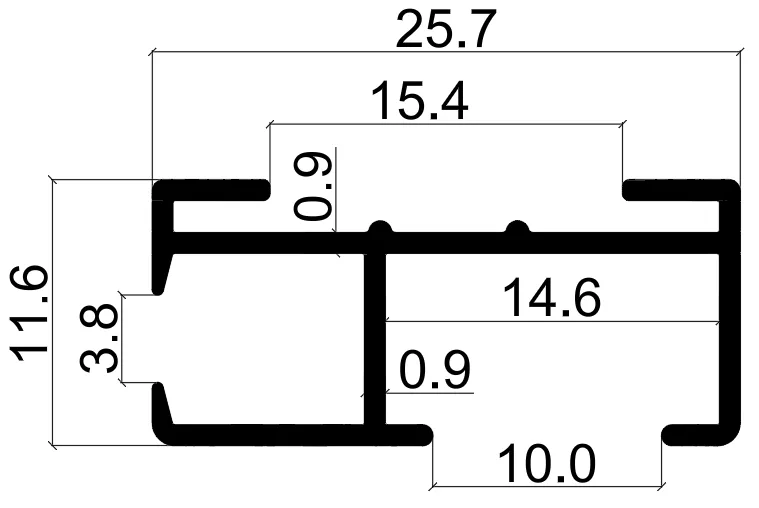
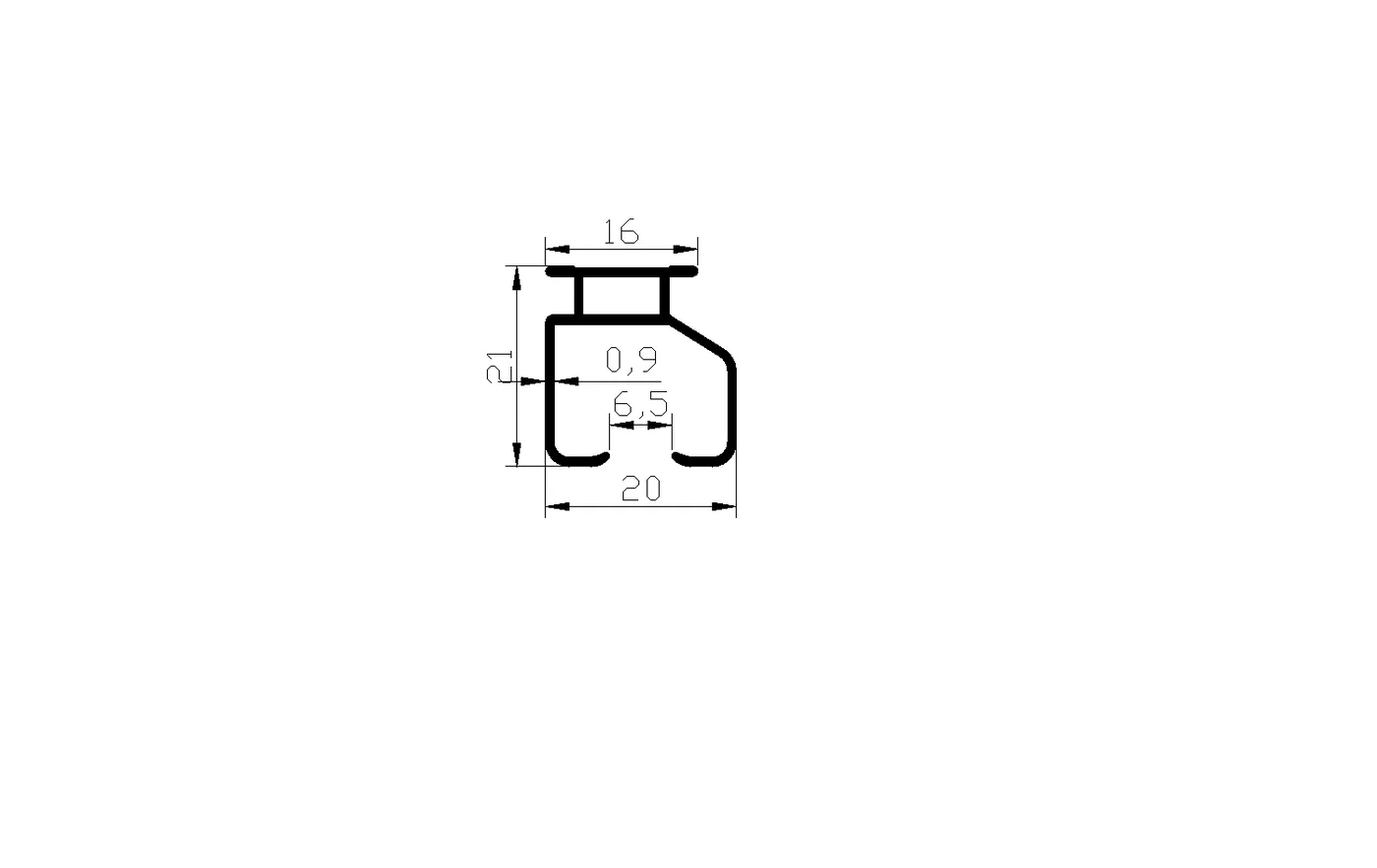
Likewise, belt tensile resistance is a component specification. It is not a curtain load rating and should not be converted directly into a permissible curtain weight. Profile mass per metre and rail wall thickness are useful identification details, but neither replaces a configuration-specific load confirmation.
If a quotation provides a load figure without support spacing or installation conditions, request clarification before accepting it.
4. Check installation and service access
Confirm ceiling mounting, wall mounting or recessed installation before comparing bracket costs. A recessed track also needs a coordinated ceiling detail, including space for the drive and access for servicing where applicable.
Ask which brackets and fixings are included. The fixing method must suit the actual substrate; a supplied accessory photograph does not establish suitability for every ceiling or wall.
For telescopic tracks, confirm the intended overlap position and support arrangement. Do not assume different generations use interchangeable brackets or end components.
5. Specify electrical and control components where needed
Manual tracks do not need motor specifications. For powered systems, the quotation should identify the motor model, input supply requirements, controller and included remote controls.
If voice control or smart-home integration is required, request the exact supported platform, command language and any additional gateway or network requirements. Confirm commissioning steps for that controller rather than assuming every configuration has the same setup process.
For integrated lighting, confirm the light-strip length and electrical rating, the matching power supply and how the lighting is controlled. Curtain movement and lighting may require separate configuration decisions.
6. Request a counted accessory list
An accessory list should provide quantities, not just names. Check carriers, hooks where applicable, end stops, brackets, connectors, drive parts and controls against the number of curtain runs ordered.
Clarify which quantities are calculated per metre, per track or per package. Identify spare parts separately so the installation team can distinguish the working kit from maintenance stock.
For a repeat order, retain the approved configuration sheet and component references. The generation or family name alone may not identify every revision or accessory option.
7. Compare packing and delivery on the same basis
Ask for packed length, pieces per carton or bundle, package dimensions and gross weight. Long profiles and compact telescopic assemblies can require different transport arrangements; assess the actual packing list rather than assuming one standard applies across the catalogue.
Confirm the named delivery location and the agreed Incoterms rule and version where used. Establish which party pays for transport, insurance, customs clearance, duties and destination charges.
A product price and a delivered project cost are different figures. Compare both only after the transport scope is clear. Treat preliminary freight estimates as estimates until the shipment details and booking are confirmed.
8. Record the commercial and approval conditions
Before placing an order, confirm:
- Quotation validity, currency and payment terms.
- Minimum order quantity for the selected configuration.
- Sample scope, sample charges and courier costs.
- The drawing or sample approval that starts the production lead time.
- Inspection requirements and any requested test documents.
- Warranty scope, exclusions and the process for reporting missing or damaged items.
If compliance documents are required, request documents applicable to the specific supplied product and configuration. A certificate for another product in the supplier's range should not be treated as coverage for the item being ordered.
A practical quotation comparison sheet
| Item | What both suppliers should confirm |
|---|---|
| Product identity | Model, generation or profile number and drawing revision |
| Scope of supply | Profile only, manual assembly or complete powered system |
| Length and quantity | Unit of sale, finished length and number of runs |
| Load conditions | Curtain weight, support spacing and mounting conditions |
| Components | Counted accessory list and optional items |
| Electrical scope | Motor, supply, controls and lighting components if applicable |
| Packing | Packed length, package count, dimensions and gross weight |
| Delivery | Named location, delivery rule and excluded costs |
| Order conditions | Approval requirements, lead time, payment and warranty terms |
Frequently asked questions
Is the lowest price per metre the best curtain track quotation?
Only after the product and supply scope match. One price may cover a bare profile while another includes carriers, brackets, drive parts or controls. Compare the same bill of materials and delivery scope first.
Does a belt tensile rating tell me the maximum curtain weight?
No. Belt tensile resistance describes the belt. The permissible curtain weight depends on the complete system, including the motor where used, rail, brackets, fixings, support spacing and installed layout. Request confirmation for the intended configuration.
What should I send to request a telescopic curtain track quotation?
Send the preferred generation, required installed length or adjustment range, curtain weight, mounting surface, mounting method, quantity and destination. Ask the supplier to confirm overlap, support spacing and the included accessory quantities.
Can I approve an order using product photographs alone?
Photographs help identify the product, but they do not establish dimensions, load limits or a packing list. Approve a drawing, configuration sheet and itemized quotation before ordering.
Request a matched configuration from IKSUN
Send your model or profile number, installed length, curtain weight, mounting method, quantity and destination country. For a motorized system, add the required supply and control options if known. For a manual telescopic system, include the required adjustment range.
Related track options
Open the product page that matches the installation condition, then send the installed length, curtain weight, mounting method and quantity for a configuration-specific quotation.